What Are SMC and BMC? Material Differences in Hot Compression Moulding
SMC and BMC are the most common thermoset composites formed with hot hydraulic presses. How they differ in structure, applications and press requirements.
From automotive parts to electrical enclosures, many composite products are made by forming SMC or BMC in a hot hydraulic press. Both are glass-fibre-reinforced thermoset moulding compounds based on polyester or vinyl ester, but their form and processing behaviour differ.
What is SMC (Sheet Moulding Compound)?
SMC is a sheet-form compound produced by adding chopped glass fibres (typically 25–50 mm) to a resin–filler paste. Cut pieces (the charge) are placed in the mould and flow to fill it in the hot press. Long fibres give high mechanical strength, making SMC the choice for large, thin-walled panels.
What is BMC (Bulk Moulding Compound)?
BMC is a dough (bulk) form compound made with shorter fibres (typically 6–12 mm). It flows easily, making it ideal for thick, ribbed geometries with inserts — common in electrical and electronic components.
Comparison
| SMC | BMC | |
|---|---|---|
| Form | Sheet | Dough |
| Fibre length | Long (25–50 mm) | Short (6–12 mm) |
| Typical parts | Bumpers, bonnets, panels, cabinets | Electrical housings, headlamp reflectors, connectors |
| Mechanical strength | Higher | Medium |
| Geometry | Large, thin-walled | Thick, complex |
Press requirements
Both are usually moulded in heated tools at around 140–160 °C with 50–150 bar in-mould pressure. A successful process requires a press that offers:
- Fast closing and precise pressing: the material must fill the mould before cure begins.
- Breathing: the mould opens briefly to vent volatiles.
- Cure under constant pressure: held for a time depending on part thickness.
- Parallelism control: critical for uniform thickness on large SMC panels.
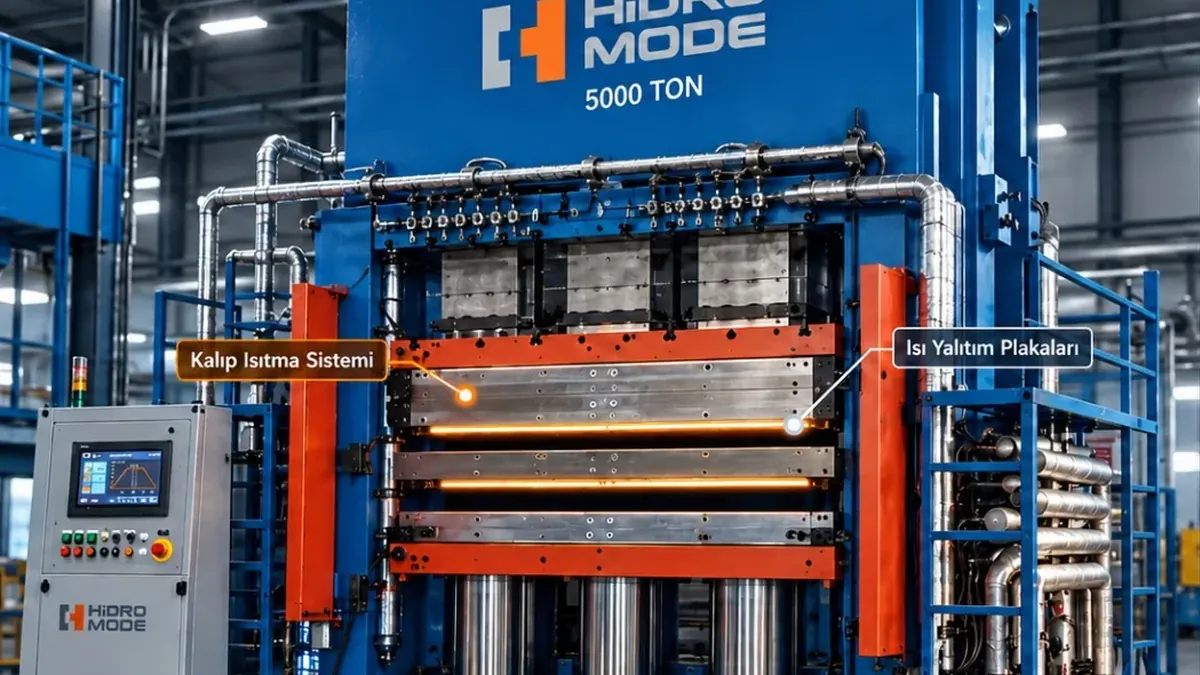
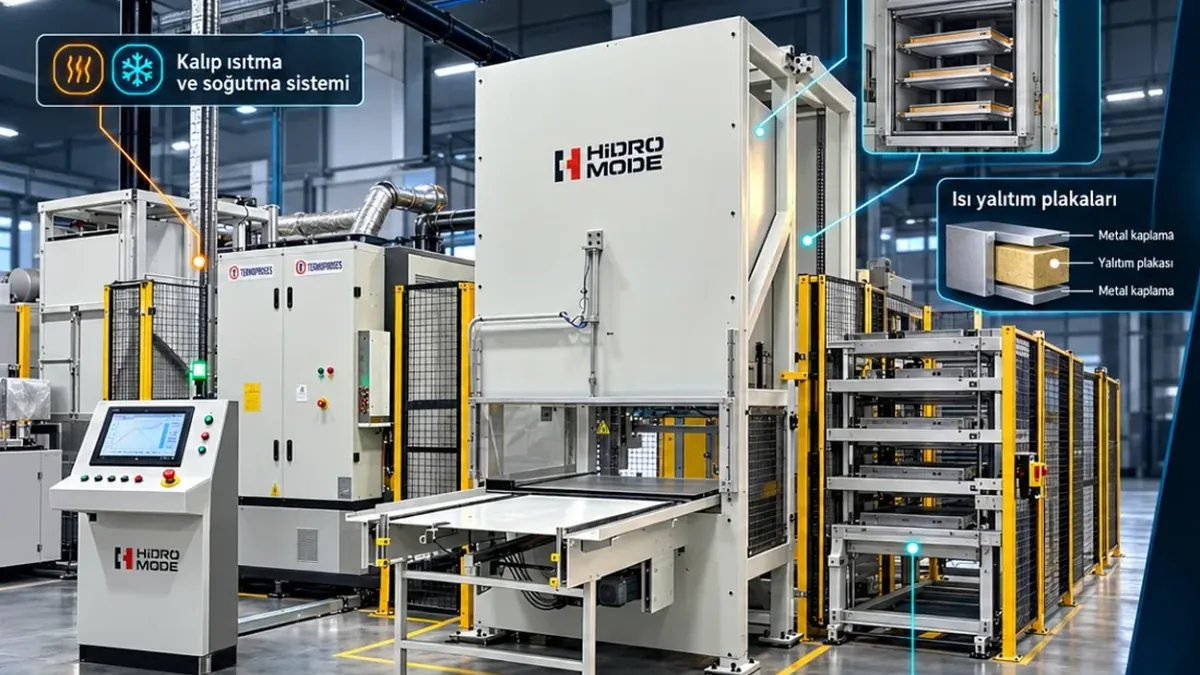
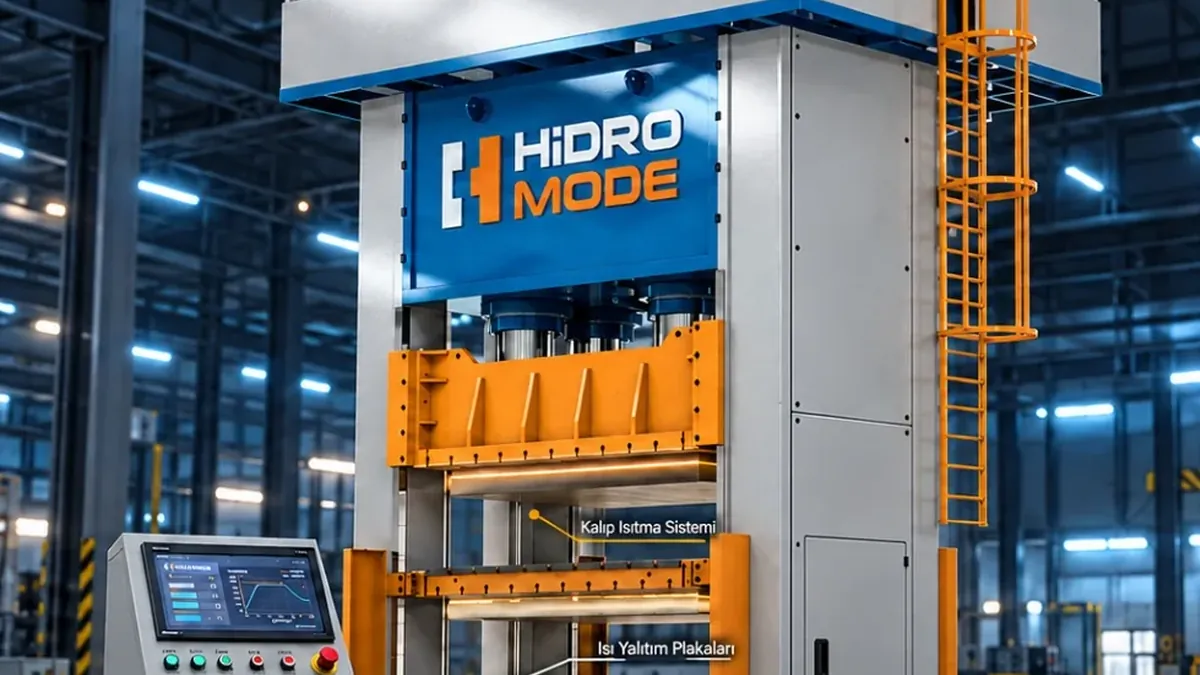
- Uniform heating: with zone PLC control and insulation plates.
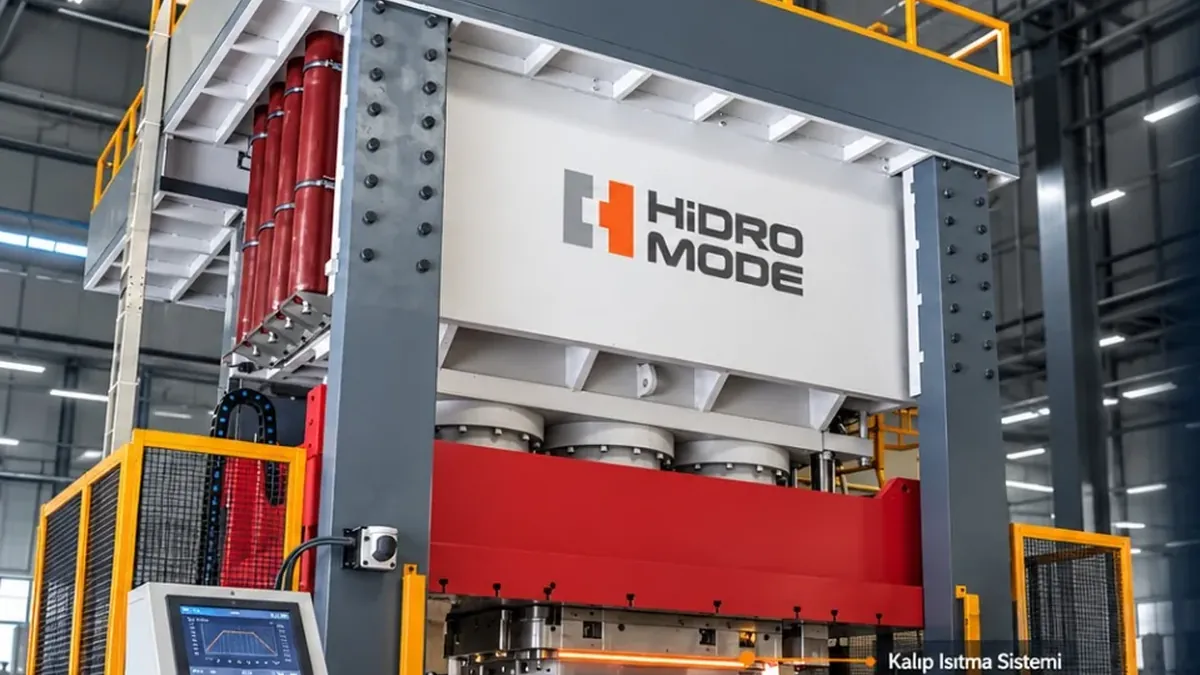
Hidromode’s HSP-P series BMC–SMC thermoset presses execute all of these steps automatically from the PLC recipe.
Frequently Asked Questions
Is SMC or BMC stronger?
Thanks to its long fibres, SMC usually offers higher mechanical strength; BMC has the advantage in complex geometries.
At what temperature is SMC moulded?
Typically at 140–160 °C mould temperature; the exact value depends on the resin system and part thickness.
Can one press run both SMC and BMC?
Yes — with suitable force, bolster and speed profile, both materials can be processed on the same press by changing mould and recipe.
Our engineers will help you with press selection, capacity and automation.